


.png)


The Earthquake Insurance Importance: Protecting Your Home and Business

Living in areas like Washington and Florida, you might not immediately think about earthquake insurance. However, the risk of earthquakes, while sometimes underestimated, is real and can cause significant damage. I want to share why earthquake insurance is important and how it can protect you from unexpected financial loss.
Why Earthquake Insurance Importance Should Not Be Overlooked
Earthquakes can strike without warning. Even if you live in a region where earthquakes are less frequent, the damage can be devastating. Many standard homeowners or business insurance policies do not cover earthquake damage. This gap means you could be left paying for repairs or rebuilding entirely on your own.
For example, in Washington, the Cascadia Subduction Zone poses a significant earthquake risk. Florida, while less prone to earthquakes, has experienced minor tremors and could face risks from shifting tectonic plates. Understanding these risks helps you see why earthquake insurance importance is critical.
Earthquake insurance provides financial protection for:
Structural damage to your home or business building
Damage to personal property inside the building
Additional living expenses if you need to relocate temporarily
Without this coverage, you might face thousands of dollars in repair costs. This insurance helps you recover faster and with less stress.
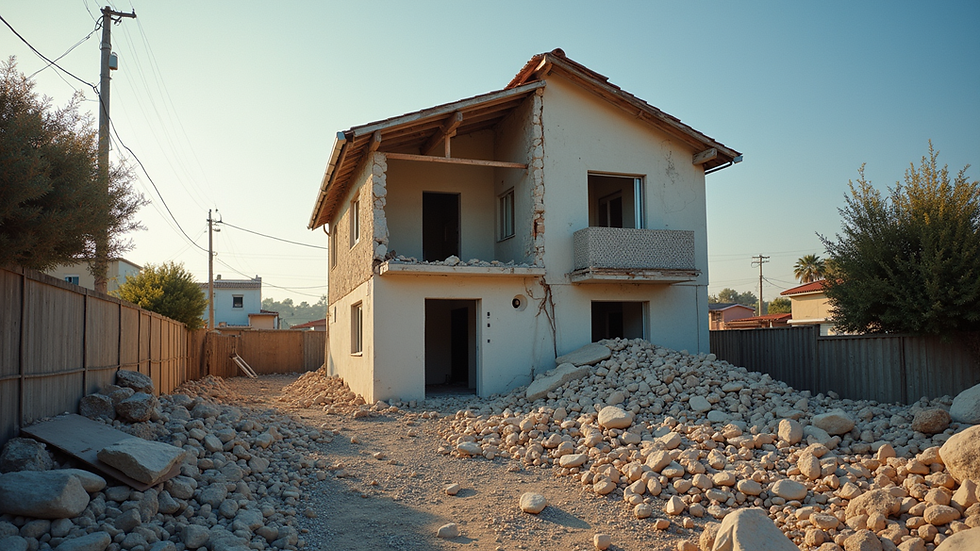
What Does Earthquake Insurance Cover?
Earthquake insurance typically covers damage caused by shaking, landslides, and sometimes fires that result from an earthquake. It is important to read your policy carefully because coverage can vary.
Here are some common elements covered:
Dwelling coverage: Repairs or rebuilding of your home or business structure.
Personal property: Replacement of damaged belongings like furniture, electronics, and clothing.
Additional living expenses: Costs for temporary housing if your home is uninhabitable.
Detached structures: Garages, sheds, or fences damaged by the quake.
Keep in mind that earthquake insurance usually has a deductible, which is often a percentage of your home's insured value. This means you will pay a portion of the repair costs before the insurance kicks in.
How Does Earthquake Insurance Work?
When an earthquake occurs, you will need to file a claim with your insurance provider. The process generally involves:
Damage assessment: An adjuster will inspect your property to evaluate the extent of the damage.
Claim submission: You provide documentation such as photos, repair estimates, and receipts.
Deductible application: The deductible amount is subtracted from the total claim payout.
Payment: The insurer pays for covered damages up to your policy limits.
It is important to keep records of your belongings and maintain an updated inventory. This documentation speeds up the claims process and ensures you receive fair compensation.
Also, earthquake insurance is usually purchased as a separate policy or an add-on to your existing homeowners or commercial insurance. It is not automatically included, so you must ask your agent about it.

Practical Steps to Take for Earthquake Preparedness and Insurance
Besides purchasing earthquake insurance, there are practical steps you can take to protect your property and yourself:
Secure heavy furniture and appliances to prevent tipping during shaking.
Reinforce your home’s foundation and retrofit older buildings to meet current safety standards.
Create an emergency kit with essentials like water, food, and first aid supplies.
Develop a family or business emergency plan to know where to meet and how to communicate after an earthquake.
When selecting earthquake insurance, consider the following:
Coverage limits: Ensure your policy covers the full replacement cost of your property.
Deductible amount: Choose a deductible you can afford in case of a claim.
Policy exclusions: Understand what is not covered to avoid surprises.
Premium costs: Compare quotes from different insurers to find affordable options.
By combining insurance with preparedness, you reduce your risk and increase your peace of mind.
Why You Should Talk to an Independent Insurance Agent
Choosing the right earthquake insurance can be confusing. That’s why working with an independent insurance agent is valuable. They can:
Assess your specific risks based on your location and property type.
Explain policy options clearly and help you understand coverage details.
Find affordable and comprehensive insurance solutions tailored to your needs.
Assist you throughout the claims process if disaster strikes.
At All in One Insurance Group, the goal is to build lasting relationships by prioritizing your needs. Whether you live in Washington or Florida, they offer tailored protection against life’s uncertainties, including earthquake risks.
If you want to learn more about understanding earthquake insurance, I recommend reaching out to a trusted agent who can guide you through the process.
Taking Action Today for Tomorrow’s Safety
Earthquake insurance importance cannot be overstated. It is a practical way to protect your home, business, and financial future. Waiting until after an earthquake to get coverage is too late. Start by evaluating your current insurance policies and speaking with an independent agent.
Remember, earthquake insurance is an investment in your security. It helps you recover quickly and reduces the burden of unexpected repair costs. By taking action now, you ensure that you and your property are prepared for whatever the earth may bring.
Stay safe and protected by making earthquake insurance a part of your overall risk management plan.


Comments